In short
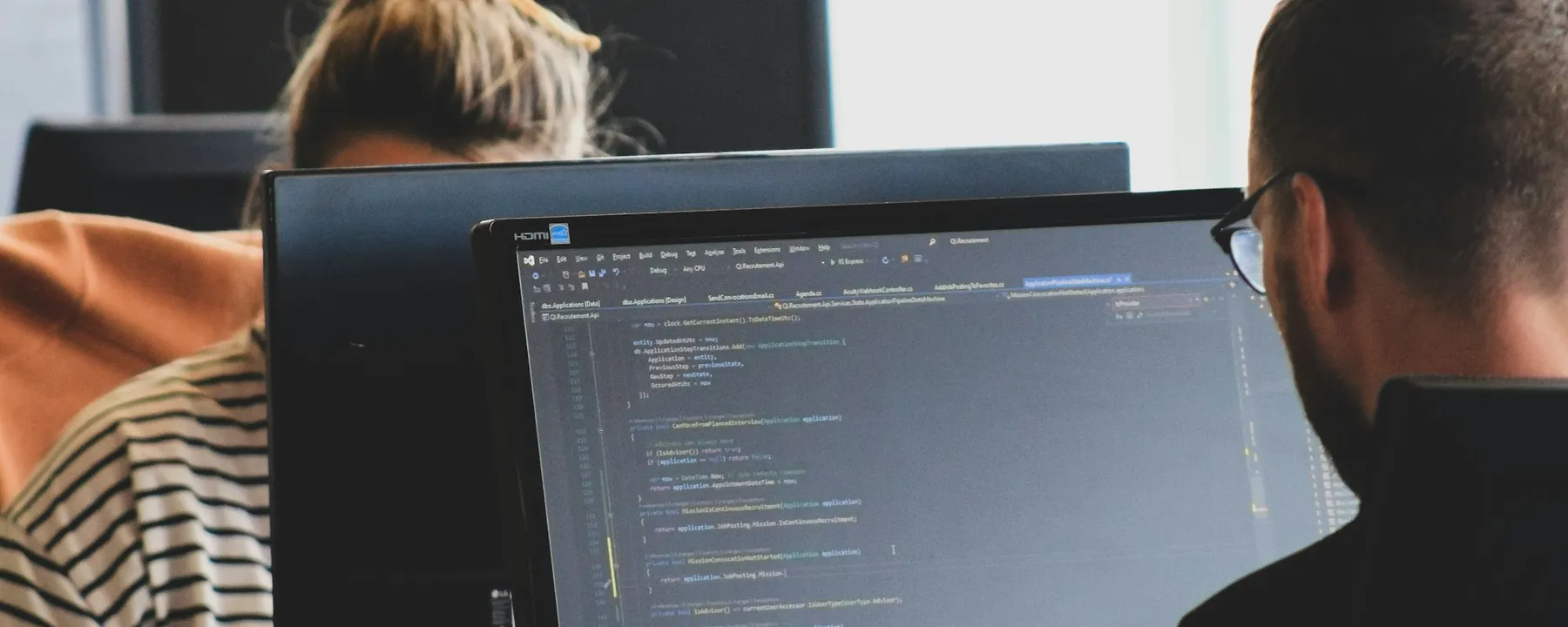
Custom software development is building an application designed for your business when off-the-shelf products do not fit. DBS Maldives offers software development in the Maldives for business applications, internal tools, integrations and automation, taking each project from discovery through design, build, testing, launch and support.
What is custom software development?
Custom software development in the Maldives means building software around how your business works, instead of changing your business to fit a product. It is the right choice when your process is distinctive, when several systems need joining up, or when staff spend hours on manual work a tool could do.
Typical projects include:
- Business applications such as booking, dispatch, job tracking or customer portals.
- Internal tools for approvals, requests, checklists and staff dashboards.
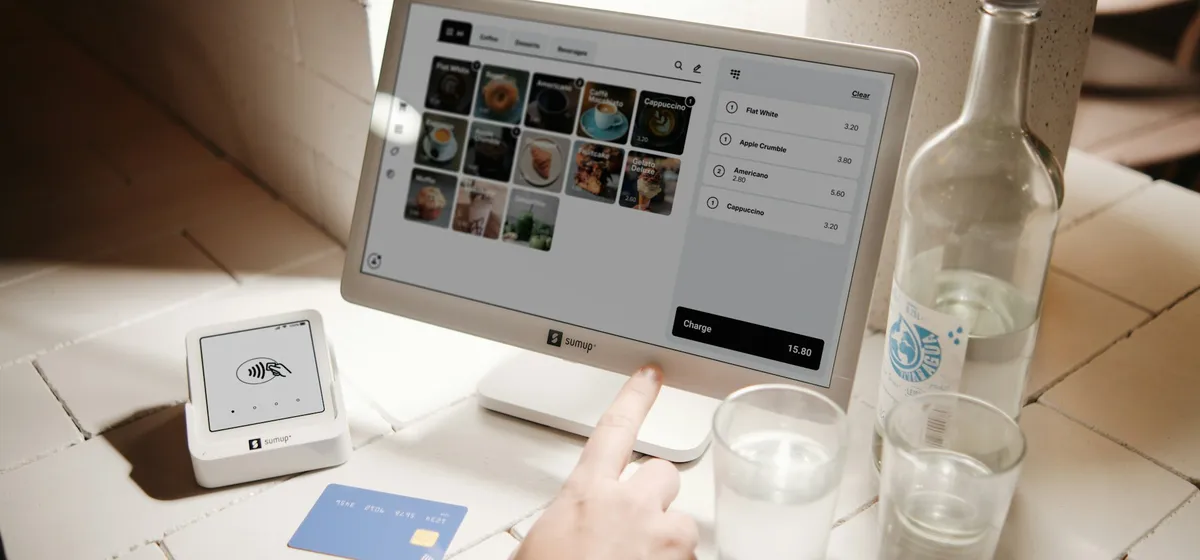
- Integrations that move data between your POS, accounts, stock and website.
- Automation of repetitive tasks such as reports, reminders and data entry.
Build or buy?
We always ask this first. If an existing product can do the job with good configuration, we will say so and point you to business software setup instead. Custom development makes sense when the fit is poor, when licence and workaround costs keep growing, or when the software itself is part of how you compete.
How DBS Maldives helps
We combine business consultancy with development, so the software is shaped by how your operation runs, not only by a technical brief. You get a clear scope before we build, regular working demonstrations during development, and ownership of what is delivered. Where the project faces your customers online, it can sit alongside a new business website.
How it works
-
Discovery
We meet the people who will use the software, map the process and agree what success looks like.
-
Design
We define features, screens and data, and show you mock-ups before any code is written.
-
Build
We develop in stages and demonstrate working parts regularly so you can steer early.
-
Test
We test with real scenarios and your staff, and fix issues before launch.
-
Launch
We deploy, move any existing data across and train users.
-
Support
We maintain the software, fix problems and add improvements as your business changes.
What you'll need
- A description of the problem you want solved and who it affects
- Examples of the forms, spreadsheets or reports used today
- Access to the people who do the work, for short discovery sessions
- Details of systems the new software must connect to
- A decision-maker who can approve scope and sign off each stage
Common mistakes to avoid
- Starting development before the process and requirements are agreed.
- Designing for managers without asking the staff who will use it daily.
- Adding features mid-build without weighing their effect on scope.
- Skipping testing with real data to launch sooner.
- Not agreeing who owns the source code and who maintains it after launch.
Have a process that needs a tool? Describe it to us.
Frequently asked questions
When should a business build custom software instead of buying it?
Build when no available product fits your process without heavy workarounds, when you need several systems joined up, or when the software gives you a real advantage. Buy when a standard product does the job well. We assess both options honestly before recommending development.
How much does custom software development cost?
Cost depends on the scope: the number of features, users, integrations and the level of support you need. We agree a defined scope after discovery and give you a clear proposal before any build begins, so there are no open-ended commitments.
Who owns the software once it is built?
Ownership is agreed in writing at the start of the project. Our approach is that the business that commissions the software should be able to use, run and maintain it without being locked in, and we document the system so it can be supported in future.
Can you connect our existing systems together?
Often, yes. Many POS, accounting and stock systems offer ways to exchange data. We review what each system supports, then build integrations that move data automatically so staff stop copying figures between screens. Where a system has no connection options, we look at alternatives.
Do you provide support after the software goes live?
Yes. We offer ongoing maintenance covering fixes, security updates and improvements. Business needs change, so we plan for the software to evolve rather than treating launch as the end of the project.
Last reviewed 6 October 2026. Requirements change; we confirm the current rules with you before any application.